
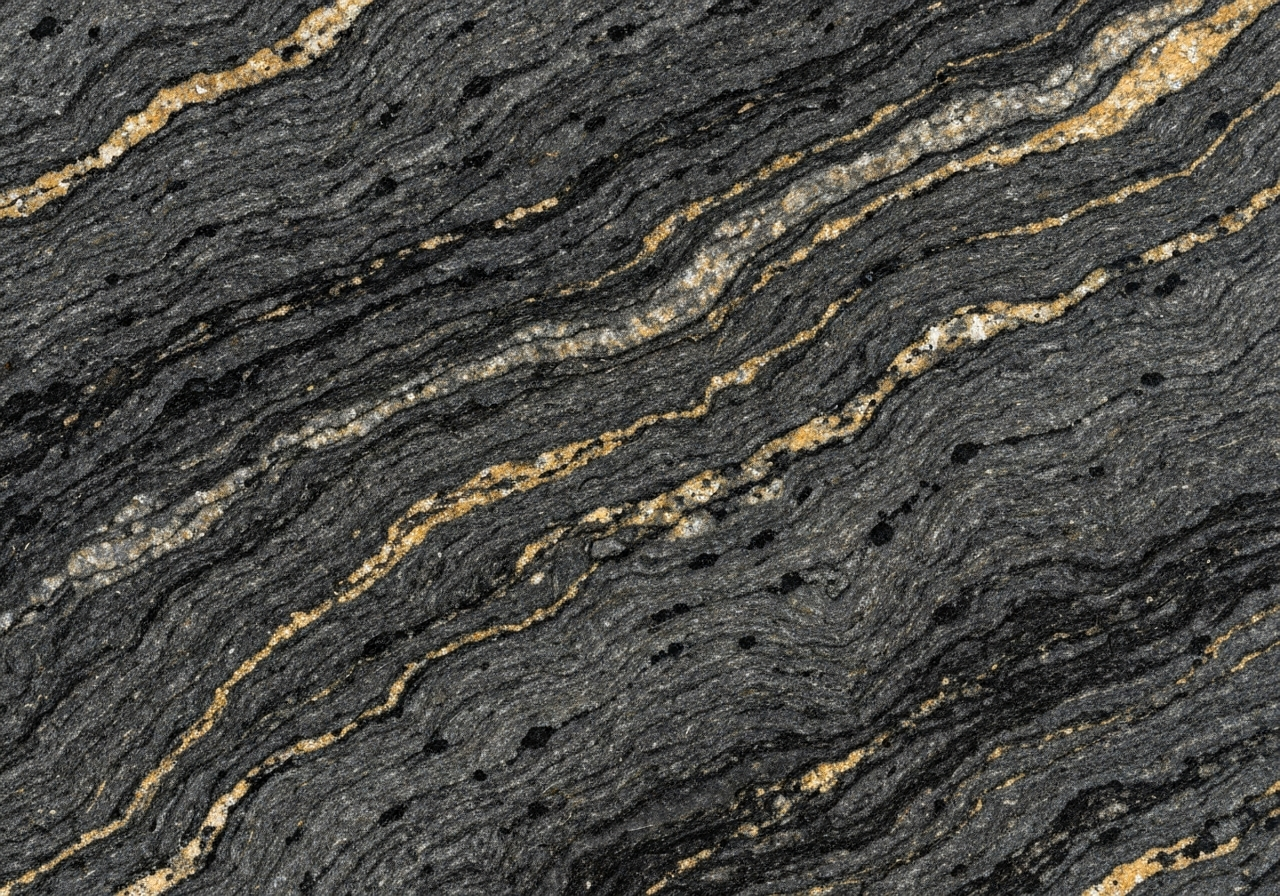
Granite Countertops Utah — Natural Stone Fabrication & Professional Installation
Alta Home Group coordinates premium granite countertop projects for Utah homeowners — from hand-selected slab sourcing through precision fabrication and professional installation in kitchens and bathrooms across the Wasatch Front.
Serving homeowners across Salt Lake County, Utah County, Davis County, and all of Utah. Call anytime: (385) 420-5208
What Makes Granite One of Utah's Most Enduring Countertop Materials
Granite has been installed in kitchens and bathrooms for centuries — and not by accident. It is one of the hardest, most heat-resistant, and most visually complex natural materials available for countertop applications. In an era of engineered surfaces, synthetic stone, and composite alternatives, granite continues to hold its position as the natural material benchmark for Utah homeowners who want something genuine, irreplaceable, and built to last. Understanding what granite is — not just what it looks like — explains why it performs the way it does and why it remains the preferred choice for so many Utah kitchen and bathroom remodeling projects.
Formed by the Earth — Every Slab Is Unique
Granite is an igneous rock formed deep within the earth's crust when magma cools and solidifies over millions of years. This geological process — extreme heat, extreme pressure, and deep time — is what gives granite its crystalline structure, its characteristic interlocking mineral matrix, and the mineral variety that produces its range of colors and patterns. The minerals present at the time of formation determine the granite's final appearance: feldspar produces the base color (white, cream, pink, gray), quartz creates translucent crystalline sparkle throughout the slab, mica introduces metallic shimmer, and amphibole minerals create dark flecks and veining. Because no two geological formations contain identical mineral compositions in identical proportions, no two granite slabs in the world are exactly alike. This is not a marketing claim — it is a geological fact. When a Utah homeowner selects a granite slab at a stone yard, they are selecting the specific piece of the earth's history that will become their countertop. No other material — not quartz, not porcelain, not any engineered surface — can make that statement.
Why Natural Stone Outperforms Synthetic Alternatives in Key Areas
Granite's formation under extreme geological conditions produces a material with performance characteristics that engineered surfaces are designed to approach but cannot fully replicate: Heat resistance at the surface: Granite is formed at temperatures far exceeding anything a kitchen generates. Direct contact with hot pans, baking sheets, and cast iron cookware does not damage granite at the surface level — a meaningful advantage over engineered quartz, which can be damaged by sustained direct heat above approximately 300°F due to its resin binder content. Natural hardness: Granite rates between 6 and 7 on the Mohs hardness scale — harder than most metals, harder than standard kitchen knives, and resistant to scratching from normal countertop use. It does not require soft handling. Longevity: Properly sealed and maintained granite countertops routinely outlast the kitchens they were built into. Many granite installations completed in the 1990s and early 2000s in Utah homes are still in excellent condition — performing daily for 25+ years without degradation. This lifespan is difficult to match with any alternative material.
A Material That Has Stood the Test of Time in Utah Homes
Granite countertops became widely popular in Utah's residential market in the late 1990s and early 2000s — and remain among the most requested countertop materials across the Wasatch Front today. Real estate agents throughout Salt Lake County, Utah County, and Davis County consistently identify granite countertops as a buyer expectation at certain price points — not just a preference. In Utah markets like Draper, South Jordan, Cottonwood Heights, and Park City, granite (and the natural stone category broadly) represents the standard against which kitchen and bathroom quality is evaluated. Alta Home Group installs granite countertops for Utah homeowners at every design level — from straightforward granite replacements over existing cabinets to complete luxury kitchen builds where the granite island becomes the architectural focal point of the entire living floor.
Benefits of Granite Countertops for Utah Homeowners
Granite's benefits are both practical and aesthetic — and both matter for Utah homeowners making a long-term investment in their kitchen or bathroom. Below is an honest assessment of where granite genuinely excels.
Exceptional Heat Resistance
Granite's heat resistance is its most significant practical advantage over engineered quartz — and the characteristic most valued by Utah homeowners who cook frequently and move hot cookware across the counter as part of their routine. A granite surface formed at temperatures exceeding 1,000°F is not threatened by a 400°F baking dish fresh from the oven. This doesn't mean trivets and hot pads are unnecessary — thermal shock (extreme temperature differential between the stone and a very cold surface, for example) can theoretically cause stress in any stone. But brief contact with hot pots, pans, and cast iron is a non-issue on granite in a way that it genuinely is not on quartz. For Utah families who cook heavily — weekend meal prep, holiday cooking, frequent entertaining — this characteristic eliminates a daily source of anxiety that quartz countertop owners often experience.
Outstanding Natural Hardness & Scratch Resistance
At a Mohs hardness rating of 6–7, granite resists scratching from virtually everything encountered in normal kitchen use. Standard kitchen knives rate approximately 5–6 on the same scale — softer than the granite surface. Ceramic cookware, metal utensils, and common kitchen tools do not scratch granite under normal conditions. This hardness is not the result of a surface coating or applied treatment — it is the intrinsic property of the crystalline mineral matrix that composes the stone. It does not wear off, thin over time, or require maintenance to preserve. Granite's scratch resistance at year twenty is identical to granite's scratch resistance at installation.
Long-Term Durability Built for Utah's Climate
Utah's climate presents specific durability challenges for home surfaces: intense UV exposure through south and west-facing windows that fades and degrades many materials, significant temperature cycling between seasons, and the general demands of hard-use family households. Granite handles all of these conditions without meaningful degradation. The colors and minerals in a granite slab are integral to the stone's crystalline structure — not surface pigments susceptible to fading. A granite countertop installed in a Salt Lake City kitchen with significant natural light exposure looks identical in year fifteen as it did at installation. Engineered quartz's polymer resin content can be affected by extreme prolonged UV exposure over many years — granite has no such vulnerability.
Unique Beauty — No Two Slabs Identical
Granite's visual character is genuinely unreplicable. The mineral composition, crystal size, color distribution, and veining pattern in each slab is the product of specific geological conditions at a specific location over millions of years. Two slabs of "Baltic Brown" from the same quarry will be similar — but not identical. A slab of exotic Blue Bahia from Bahia, Brazil is a one-of-a-kind piece of material that cannot be exactly duplicated anywhere on earth. For Utah homeowners who value individuality and the authenticity of natural material — who want a countertop that is theirs and only theirs — granite's unrepeatable character is not a curiosity but a fundamental part of its appeal. No neighbor's granite kitchen looks exactly like yours. No showroom display shows exactly what you own. It is a private piece of the natural world installed in your Utah home.
Strong Return on Investment in Utah's Real Estate Market
Granite countertops are recognized as a premium material by the vast majority of Utah home buyers — which translates directly into measurable resale value. Real estate professionals throughout Salt Lake County, Utah County, and Davis County report that granite countertops (and natural stone countertops broadly) are among the features buyers specifically search for and are willing to pay a premium to acquire. A well-executed granite countertop installation in a Utah kitchen returns a significant portion of its cost at resale through increased offer prices and reduced negotiation. In communities like Draper, Cottonwood Heights, Sandy, and South Jordan — where buyer expectations are high and comparable homes compete at close price points — granite countertops shift the competitive balance toward the home that has them.
Popular Granite Colors for Utah Kitchens & Bathrooms
Granite is available in a broader range of colors and patterns than any other natural stone — from near-white to absolute black, from subtle and uniform to wildly dramatic. Below are the most popular granite varieties among Utah homeowners, organized by color family, with honest guidance on where each works best.
White & Light Granite Options
White and light granite varieties are among the most versatile and consistently popular choices across Utah's kitchen remodeling market. They pair naturally with both painted and stained cabinet finishes, read as bright and spacious in Utah kitchens with natural light, and maintain their visual relevance across design trends. Popular varieties: Alaska White, Colonial White, White Ice, Bianco Romano, Bianco Antico, White Fantasy. Best applications: Universal — white and light granite works in virtually any Utah kitchen or bathroom context.
Request This MaterialBlack Granite Countertops Utah
Black granite countertops deliver the most dramatic, high-contrast visual impact available in the natural stone category. Against white or light cabinetry, black granite creates a design statement that photographs exceptionally well and communicates premium quality. Popular varieties: Absolute Black, Black Galaxy, Ubatuba, Black Pearl. Best applications: High-contrast kitchen islands, contemporary Utah kitchens with white or light gray cabinetry, primary bathroom vanities, bar surfaces.
Request This MaterialGray Granite Countertops Utah
Gray granite occupies a versatile middle ground — more sophisticated than white, less dramatic than black, and uniquely compatible with the wide range of gray-toned cabinetry that has dominated Utah kitchen design for the past decade. Popular varieties: Steel Gray, Silver Cloud, Luna Pearl, Viscount White. Best applications: Transitional and contemporary Utah kitchens, primary bathroom vanities, outdoor kitchen surfaces.
Request This MaterialBrown & Earth-Tone Granite Options
Brown and earth-tone granites have sustained strong popularity in Utah's traditional and transitional kitchen market because of how naturally they pair with wood cabinetry, warm paint colors, and the earthy design aesthetic common in Utah homes. Popular varieties: Baltic Brown, Tan Brown, Giallo Ornamental, Santa Cecilia. Best applications: Traditional Utah kitchens with stained wood cabinetry, farmhouse-style kitchens, mountain home and cabin aesthetics.
Request This MaterialExotic & Premium Granite Selections
Beyond the most common granite varieties, the natural stone market offers genuinely exotic specimens with visual complexity and rarity that elevate a countertop from a surface to a statement. Alta Home Group sources exotic granite for Utah homeowners pursuing a truly one-of-a-kind installation. Popular varieties: Blue Pearl, Azul Bahia, Van Gogh, Cosmic Black, Rainforest Green. Best applications: Statement islands, luxury kitchens, and custom architectural features.
Request This MaterialGranite vs. Quartz — Choosing the Right Material for Your Utah Home
Granite and quartz are the two most popular countertop choices across Utah's residential market — and the decision between them is one Alta Home Group helps Utah homeowners navigate every day. Neither is universally superior. Each genuinely outperforms the other in specific and important ways. The right choice depends on your household, your kitchen's demands, and your personal priorities.
Where Granite Outperforms Quartz
Heat resistance: Granite's geological formation at temperatures exceeding 1,000°F makes it genuinely impervious to the heat generated by kitchen cooking. Quartz can be damaged by sustained direct heat above approximately 300°F. Natural authenticity: Granite is a piece of the earth. No two slabs are identical. Engineered quartz is a manufactured product. Visual depth: The crystalline mineral structure of granite has a three-dimensional depth and light interaction that engineered surfaces cannot replicate. Outdoor performance: Granite's UV stability makes it superior to quartz for outdoor kitchen countertop applications in Utah. Price competitiveness: Entry-level granite is frequently less expensive than comparable quartz selections.
Where Quartz Outperforms Granite
Zero maintenance: Quartz is non-porous. It never requires sealing, never needs re-sealing, and maintains its stain resistance without maintenance. Stain resistance: Because quartz is non-porous, staining agents cannot penetrate its surface regardless of whether a sealer is present. Color and pattern consistency: Quartz is manufactured, which means its color and pattern are consistent and predictable. Pattern matching at seams: For large installations, quartz's manufactured consistency makes seam matching straightforward.
Which Should You Choose?
Choose granite if you cook heavily, value natural authenticity, want outdoor countertops, or are drawn to natural mineral depth. Choose quartz if you want zero maintenance, have a heavy daily kitchen use with young children, or prioritize consistent color predictability. Alta Home Group helps Utah homeowners make this decision honestly — and often recommends both within the same project.
Granite vs. Quartzite — Understanding the Difference
Both are natural stones quarried from the earth. Both require sealing. Both deliver genuine natural character that engineered surfaces cannot replicate. But granite and quartzite are materially different stones — in how they're formed, how they look, how they perform, and what they cost.
How They Compare in Hardness & Durability
Quartzite is generally harder than granite. On the Mohs scale, granite rates 6–7 and quartzite typically rates 7–8 — making quartzite harder than most granite varieties and more resistant to surface scratching in the most demanding kitchen environments. Both materials require sealing to prevent staining penetration. Neither etches from acidic contact the way marble does.
Visual Differences Between Granite and Quartzite
Granite is characterized by its granular, interlocking mineral matrix — visible crystals of varying sizes in a base of feldspar, quartz, and mica. Quartzite is characterized by flowing, dramatic veining patterns that resemble marble. Utah homeowners who want a stone that looks like marble but performs better than marble consistently land on quartzite. Those who want the mineral character and varied complexity of a genuinely granular stone consistently land on granite.
Cost Comparison in Utah
Granite is generally less expensive than quartzite — particularly at the entry and mid-range levels. Common granite varieties are among the most competitively priced natural stone options available in Utah's market. Common quartzite varieties carry a premium over comparable granite tiers. Overall, for Utah homeowners working within a natural stone budget, granite typically delivers the most visual impact and authentic material quality per dollar invested.
Granite Kitchen Countertops in Utah
The kitchen is where granite's practical benefits matter most and are felt most directly. Heat resistance, hardness, and the visual complexity of a natural stone surface are all most meaningful in the room where food is prepared, cookware is moved, and families gather daily. Alta Home Group installs granite kitchen countertops throughout Utah — from straightforward perimeter counter replacements to complete custom kitchen builds with full granite islands, integrated sinks, and coordinated backsplash installations.
Why Granite Works in High-Use Utah Kitchens
Utah families tend to cook. Whether it's feeding large households, meal prepping for the week, hosting extended family gatherings, or accommodating the active lifestyle that defines life along the Wasatch Front — Utah kitchens get used. Granite's combination of heat resistance, scratch resistance, and durability under daily demands makes it one of the best-matched materials for how Utah families actually use their kitchens. Unlike quartz, granite can receive hot pans directly from the stovetop without risk of surface damage. Unlike marble, granite does not etch from the acidic cooking substances — citrus, wine, tomato, vinegar — that are regular features of active Utah kitchens. Unlike tile, granite has no grout lines to discolor or accumulate bacteria. The practical advantages of granite in a working kitchen are not theoretical — they are felt in daily use for decades.
Granite Island Countertops
The kitchen island is the most visible granite surface in any Utah kitchen — the piece that guests see first, that family members gather around, and that photographers and real estate agents photograph when representing the home. The island countertop decision carries more visual weight than any other surface in the kitchen. Granite island countertops are available in all styles — standard thickness, thick mitered profiles that create the appearance of a heavier slab, waterfall ends where the granite continues down the side panel to the floor, and mixed configurations where the island countertop is a different granite variety than the perimeter counters. Alta Home Group designs granite island countertops with specific attention to seam placement (minimizing visible seams on a piece as prominent as an island), overhang configuration for seating (standard 12-inch overhang for knee clearance, 15-inch for comfortable seating), and cutout placement for sink and appliance integration where applicable.
Granite Perimeter Countertops
Granite perimeter countertops — the L-shaped, U-shaped, or galley runs that define the kitchen's working surface — are where material durability is most tested. These are the surfaces where food is chopped, baking sheets land from the oven, and cooking activity is most concentrated. For Utah perimeter countertops in active kitchens, Alta Home Group typically recommends granite varieties in the mid-range of their color family — avoiding very light whites that show every water spot and very porous exotic varieties that require more attentive sealing maintenance. Practical granite that looks exceptional and performs excellently over decades of daily use is the goal. Seam planning on perimeter countertops is a critical fabrication consideration — particularly on long runs that extend beyond a single slab's width. Alta Home Group's fabrication partners plan seam placement at natural breaks (inside corners, at appliance edges) rather than in the middle of an uninterrupted surface run, minimizing visual disruption.
Granite Backsplash Integration
Granite can be extended beyond the countertop surface and installed as a backsplash — either as a thin-cut 4-inch backsplash strip along the wall above the counter, or as a full-height backsplash from countertop to upper cabinet. A matching granite backsplash creates a seamless, integrated look that tile cannot replicate — and eliminates the grout line maintenance that tile backsplashes require. Full-height granite backsplashes are particularly impactful on the range wall — where the vertical surface behind the cooktop becomes part of the kitchen's focal point. Coordinating this surface with the island or perimeter countertops creates a cohesive stone environment throughout the kitchen. Not all kitchens warrant a granite backsplash — in some designs, a contrasting tile backsplash creates intentional visual interest against a granite countertop. Alta Home Group helps Utah homeowners evaluate which approach serves their specific kitchen's design direction.
Granite Bathroom Countertops in Utah
Granite in a bathroom creates a different atmosphere than granite in a kitchen — and a very specific kind of luxury. The lower-use demands of a bathroom counter (compared to a kitchen's daily cooking activity) allow more exotic and visually complex granite varieties to perform well without the practical tradeoffs that those same varieties might present in a kitchen. Alta Home Group installs granite bathroom vanity countertops throughout Utah, from simple single-sink guest bath upgrades to full primary bathroom overhauls with custom stone vanities and integrated backsplash installations.
Granite Vanity Countertops
A granite vanity top changes the entire register of a bathroom. The transition from laminate or manufactured stone to a genuine natural granite — polished, heavy, visually complex, and uniquely yours — is immediately perceptible to anyone who enters the space. It communicates investment, permanence, and quality in a way that no synthetic material achieves at equivalent cost. Granite vanity countertops are fabricated to the specific dimensions of your vanity cabinet, with sink cutouts positioned precisely for your sink model and undermount profile. Edge profiles — eased, beveled, ogee, or bullnose — are selected during the design phase to complement the bathroom's overall aesthetic and the cabinetry door style. Alta Home Group installs granite vanity countertops in Utah bathrooms of all sizes — from compact powder rooms where a single granite piece makes an outsized design statement, to expansive primary baths with 72-inch or wider double vanity tops.
Single & Double Sink Configurations
Single sink granite vanity tops are the most common bathroom countertop configuration in Utah's housing stock — particularly in secondary bathrooms, guest baths, and powder rooms. A single sink granite top with an undermount basin and quality faucet is one of the most cost-effective bathroom upgrades available, delivering significant visual impact for a relatively contained investment. Double sink granite vanity tops — common in primary bathrooms where two homeowners share the space — present additional fabrication considerations: the two cutouts must be precisely positioned for the specific sink models selected, the countertop run must be carefully seam-planned if its width exceeds standard slab dimensions, and the centerline of each sink bowl must align with the cabinetry division below. Alta Home Group coordinates all of these fabrication details with our Utah stone partners — sink selection is confirmed before templating to ensure the fabricated cutouts match the actual products being installed.
Granite in Primary Bathrooms vs. Guest Bathrooms
The distinction between primary and guest bathroom granite selections is worth addressing specifically, because the design and material considerations differ meaningfully between them. In primary bathrooms — where the homeowner interacts with the vanity countertop twice or more daily — the granite selection should reflect the homeowner's personal aesthetic priorities. Exotic varieties, dramatic veining, and premium color choices are appropriate here because the space is personal and experiential. Primary bathrooms in Draper, Cottonwood Heights, Highland, Alpine, and Park City Utah homes frequently feature book-matched or premium granite selections that would be excessive in a secondary space. In guest bathrooms — where the vanity sees lighter use and the design goal is primarily impression — a beautiful but more conservative granite selection is typically the right choice. A clean, polished white or gray granite with a quality undermount sink creates an excellent guest bath experience without the cost of an exotic primary bath selection. Alta Home Group helps Utah homeowners make these distinctions during the design consultation — matching the material investment to the space's role in the home.
Granite Countertop Fabrication — How It Works
Granite fabrication is the process that transforms a raw stone slab into the finished countertop installed in your Utah kitchen or bathroom. It is also the phase of a countertop project where quality diverges most significantly between contractors — precision in template measurement, CNC programming accuracy, edge finishing quality, and seam planning all determine whether the finished installation looks exceptional or merely adequate. Alta Home Group coordinates granite fabrication through trusted Utah stone fabrication partners whose quality standards, equipment capabilities, and finished work meet the expectations of our clients across every price level.
Slab Selection & Sourcing
Granite slab selection begins at the slab yard — and for natural stone projects, we strongly recommend this step be completed in person rather than from catalog images or small sample chips. A 3x6-inch granite sample and a full 9x5-foot slab of the same material can look meaningfully different. The full slab's pattern movement, color distribution across its area, and the way it catches natural and artificial light are visible only at full scale. Alta Home Group coordinates slab selection visits with our Utah fabrication partners' slab inventory. You view the specific slabs your countertops will be cut from — not representative samples of the variety. For kitchens that require multiple slabs (large kitchen footprints, island plus perimeter counters), we review which slabs match acceptably and plan the layout of each countertop section within the available slab material. For exotic granite varieties or specific color requirements, Alta Home Group can access the broader Utah and regional stone distribution network to locate slabs that match your project's specific needs. Some exotic granites require national sourcing through specialty importers — we advise honestly on lead times and availability before confirming any selection.
Precision Template & Measurement
Template measurement is performed after your cabinets are fully installed and confirmed level — never before. This non-negotiable sequencing ensures that the fabricated countertop reflects the actual dimensions of the installed cabinet run, not architectural drawings that may differ from field conditions. Our fabrication partners use digital templating technology — laser-based measuring systems that capture the precise geometry of your countertop areas, including all inside corners, outside corners, wall variances, and cutout locations. Digital templates eliminate the human error inherent in physical template methods and produce fabrication files that are directly imported into CNC programming. Every cutout location — undermount sink, cooktop, faucet holes — is confirmed during template against the specific products being installed. Cutout dimensions are taken from the actual fixture manufacturer's specifications, not estimated from typical product sizes.
CNC Cutting & Edge Profiling
Fabrication begins at the stone facility with CNC bridge saw cutting — computer-controlled precision sawing that follows the exact geometry captured in your digital template. Bridge saw cutting produces the correct countertop shape at tolerances measured in fractions of a millimeter. For standard rectangular and L-shaped countertops, this process is straightforward. For complex geometries — curved islands, angled corners, or unusual room configurations — CNC programming ensures accuracy that hand-cutting cannot match. After cutting, edge profiling is performed using a CNC edge machine or by skilled hand-grinding — shaping the selected edge profile (eased, beveled, ogee, bullnose, waterfall, or custom) along all exposed granite edges. Edge finishing quality is one of the most visible differentiators between professional fabrication and entry-level work — a properly finished edge has consistent profile depth, smooth transitions, and a polished surface that matches the countertop face. Undermount sink cutouts are cut using CNC waterjet or bridge saw with an oscillating polishing tool used to finish the inside edge of the opening to prevent stress fracturing at the cutout perimeter.
Quality Finishing & Polishing
After cutting and profiling, the granite surface is polished to the specified finish — typically high-polish (mirror-bright) for most Utah kitchen and bathroom applications, with honed and leathered finishes available as premium alternatives. The polishing process uses progressively finer diamond abrasive pads that refine the surface from the rough-cut texture to the final specified finish. Quality polishing at the seam areas — where two pieces of granite must be joined during installation — is particularly important. Seam faces must be polished to the same plane and finish level as the countertop surface so that the transition between pieces is as seamless as the material allows. Poor seam polishing creates visible height differences and surface texture discontinuities that no amount of seam epoxy can fully conceal. Our fabrication partners' finished granite is inspected at the facility before delivery and again at installation — any pieces that don't meet our quality standards are identified and addressed before your countertop is placed in your Utah home.
Granite Installation Process — What Utah Homeowners Should Expect
Granite installation day is when the weeks of planning, slab selection, and fabrication become visible in your Utah home. Understanding what the installation process involves — and what it requires from you as the homeowner — sets appropriate expectations and allows the project to proceed smoothly.
Pre-Installation Preparation
Before the installation crew arrives, several preparations are recommended for Utah homeowners: Clear the countertop areas of all items — every appliance, utensil holder, soap dispenser, and decorative element on or near the existing countertop should be relocated before the crew arrives. The installation area needs to be completely clear for the removal and installation process. Disconnect plumbing if possible — if your plumber is not performing the reconnection the same day as installation, the sink plumbing should be disconnected before the crew arrives. Alta Home Group coordinates this with your plumber as part of project scheduling. Plan for temporary kitchen downtime — most granite installations are completed in a single day, but the kitchen will be out of use during installation. Plan accordingly for meals — particularly if the sink is being disconnected and the plumbing reconnection is scheduled for the following day. Confirm appliance clearances — if your installation involves cooktop cutouts or appliance integration, confirm that the appliance is on-site and ready for installation team reference during the installation day.
Delivery & Placement
Granite slabs are heavy — a standard 3cm (1.25-inch) granite countertop section for a kitchen may weigh 15–25 pounds per square foot. Professional installation requires a two-person minimum crew equipped with suction lifters, padded support blocks, and the appropriate lifting technique to handle stone safely without damage to the material or the surrounding cabinetry. Our installation team protects your floors, cabinetry, and adjacent surfaces throughout the delivery and placement process — using moving blankets on floors and foam padding on cabinet edges. The existing countertop is removed first (if applicable), followed by substrate inspection and leveling where needed, and then placement of the new granite sections. Granite is supported on a continuous substrate that includes the cabinet's top rail and any intermediate support points required for overhangs. Island installations with seating overhangs beyond 12 inches require specific internal support structure — corbels or flush-mounted steel support bars — to prevent long-term cantilever stress. Our installation team addresses these structural requirements during the installation day.
Seam Placement & Finishing
Where granite sections must be joined — on long kitchen runs, around corners, or where island pieces meet — the seam is filled with color-matched polyester or epoxy seam filler and then carefully leveled and polished so the transition between pieces is as tight and seamless as the natural stone's variation allows. Seam placement was determined during the fabrication process — planned at natural visual breaks (inside corners, near appliances) rather than in the center of uninterrupted countertop runs where the seam would be most visible. During installation, this planning is executed: the seam filler is applied, the pieces are positioned precisely, and the seam is worked until the transition is clean. No seam in natural stone is truly invisible under all lighting conditions — the mineral variation on either side of the seam will always be slightly different. But a well-planned and well-executed seam is genuinely difficult to locate under normal kitchen lighting. Our installation team takes the time to do this correctly rather than rushing through it.
Sink & Appliance Integration
After the granite is placed and seams are complete, sink and appliance integration is performed. Undermount sinks are secured to the underside of the granite using epoxy-based adhesive and mechanical clips (where the countertop thickness allows), ensuring the sink is properly supported against the weight of water and dishes without placing stress on the cutout edges. The perimeter of the sink cutout — where the polished granite face meets the sink rim — is sealed with a silicone caulk bead that creates a waterproof transition and accommodates the minor flex between the stone and the plumbing fixture over time. Cooktop openings are similarly finished with a silicone bead where the appliance's frame meets the granite surface. Faucet holes — if not specified as part of the sink deck — are core-drilled in the granite using diamond-tipped drill bits. Faucet hole drilling is coordinated during fabrication or performed on-site as part of the installation process.
Granite Countertop Maintenance & Sealing Guide for Utah Homeowners
Granite requires more care than engineered quartz — but significantly less than marble. A consistent and simple maintenance routine keeps granite performing beautifully for decades. Every Alta Home Group granite installation includes a written care guide specific to your installed material. The guidance below applies to the vast majority of granite varieties installed in Utah kitchens and bathrooms.
How Often to Seal Granite in Utah
Most granite countertops installed in Utah kitchens and bathrooms should be sealed once per year as a standard maintenance cadence. The appropriate sealing frequency for your specific granite depends on three variables: Porosity of the stone: Lighter granites with more feldspar and quartz content (white, cream, light gray varieties) tend to be more porous than darker, denser granites (Absolute Black, Ubatuba). More porous granites may benefit from sealing twice per year in high-use kitchen installations. Use intensity: A kitchen countertop used for daily cooking and frequent liquid exposure benefits from more attentive sealing than a bathroom vanity used only for personal care activities. Sealer product quality: Professional-grade penetrating sealers (impregnating sealers that fill the stone's pores rather than coating the surface) last longer and perform better than entry-level consumer products. Alta Home Group recommends specific sealer products appropriate for your installed granite variety. As a practical standard: seal your Utah kitchen granite every 12 months. Use the water drop test to confirm whether re-sealing is needed at any point between annual applications.
The Water Drop Test — Knowing When to Re-Seal
The water drop test is a simple, reliable method for evaluating whether your granite's sealer is still effective. Place a few drops of water on the granite surface and observe what happens over the next 5–10 minutes: If the water beads and sits on the surface: Your sealer is effective. No re-sealing is needed at this time. If the water begins to absorb slowly (darkening the stone but not leaving a permanent mark): Your sealer is becoming depleted. Re-sealing in the near term is recommended. If the water absorbs quickly and the darkened area does not recover within 30 minutes: Your sealer is depleted or absent. Re-sealing should be performed as soon as possible to restore stain protection. Perform this test in a few different locations across the granite surface — near the sink, at the cooking area, and at the center of the countertop. Sealer depletion is often uneven, with the highest-use areas depleting first. If any test area shows absorption, treat the full counter surface rather than spot-sealing.
Daily Cleaning & Care Best Practices
Granite is easy to maintain with the right daily habits. The following practices keep your Utah granite countertops looking exceptional with minimal effort: Use a pH-neutral cleaner: The single most important daily care decision. Acidic cleaners (including many common kitchen and bathroom products — vinegar-based cleaners, citrus degreasers, bleach solutions) degrade granite sealers faster than normal use alone. A pH-neutral dish soap diluted in water, or a dedicated stone-safe countertop cleaner, cleans granite effectively without damaging the sealer. Wipe spills promptly: While properly sealed granite resists staining, prolonged contact with highly pigmented or acidic substances — red wine, coffee, tomato sauce, acidic citrus juices — can eventually penetrate even a good sealer if allowed to sit. Wiping spills promptly as a habit eliminates the risk. Use soft cloths: Microfiber cloths or soft cotton cloths are appropriate for granite daily cleaning. Abrasive scrubbing pads can micro-scratch the polished surface over time, gradually dulling the finish. Dry the surface after cleaning: Standing water around the sink area — particularly in hard water areas of Utah where mineral deposits accumulate — can leave calcium deposits on the granite surface. Drying the counter after cleaning prevents buildup.
What to Avoid on Granite Countertops
Several common kitchen and bathroom products and habits should be avoided on granite surfaces to preserve both the stone and its sealer: Acidic cleaners: Vinegar, lemon juice, bleach, and any cleaner with a pH below 7 degrades granite sealers and can etch certain granites. Even natural cleaning remedies popular in Utah households (diluted white vinegar spray) are damaging to granite and should not be used.
How to Handle Stains on Granite
If a stain does penetrate your granite, it can often be removed using a poultice — a paste made of a liquid solvent and a white absorbent material (like baking soda or talc) that draws the stain out of the stone as it dries. For oil-based stains (cooking oil, grease): Use a poultice mixed with baking soda and water or a mild dish detergent. For organic stains (coffee, wine, fruit juice): Use a poultice mixed with 12% hydrogen peroxide. Apply the poultice to the stain, cover with plastic wrap taped at the edges, and leave for 24 hours. Remove the plastic and let it dry completely before wiping away. If the stain remains, the process can be repeated. After stain removal, the area must be re-sealed.
Frequently Asked Questions
Ready To Elevate Your Home?
Get professional home improvement solutions for your next remodeling or upgrade project. Fill out the form, and we will get back to you shortly to discuss your vision.